A New Era of Vision Correction in Modern Ophthalmology
Clear eyesight is one of the most valuable aspects of everyday life. Yet millions of people around the world struggle with refractive errors that affect how they see the world. From nearsightedness to astigmatism, vision problems can interfere with work, travel, and personal activities. Advances in ophthalmology have introduced innovative solutions that restore vision with precision and safety.
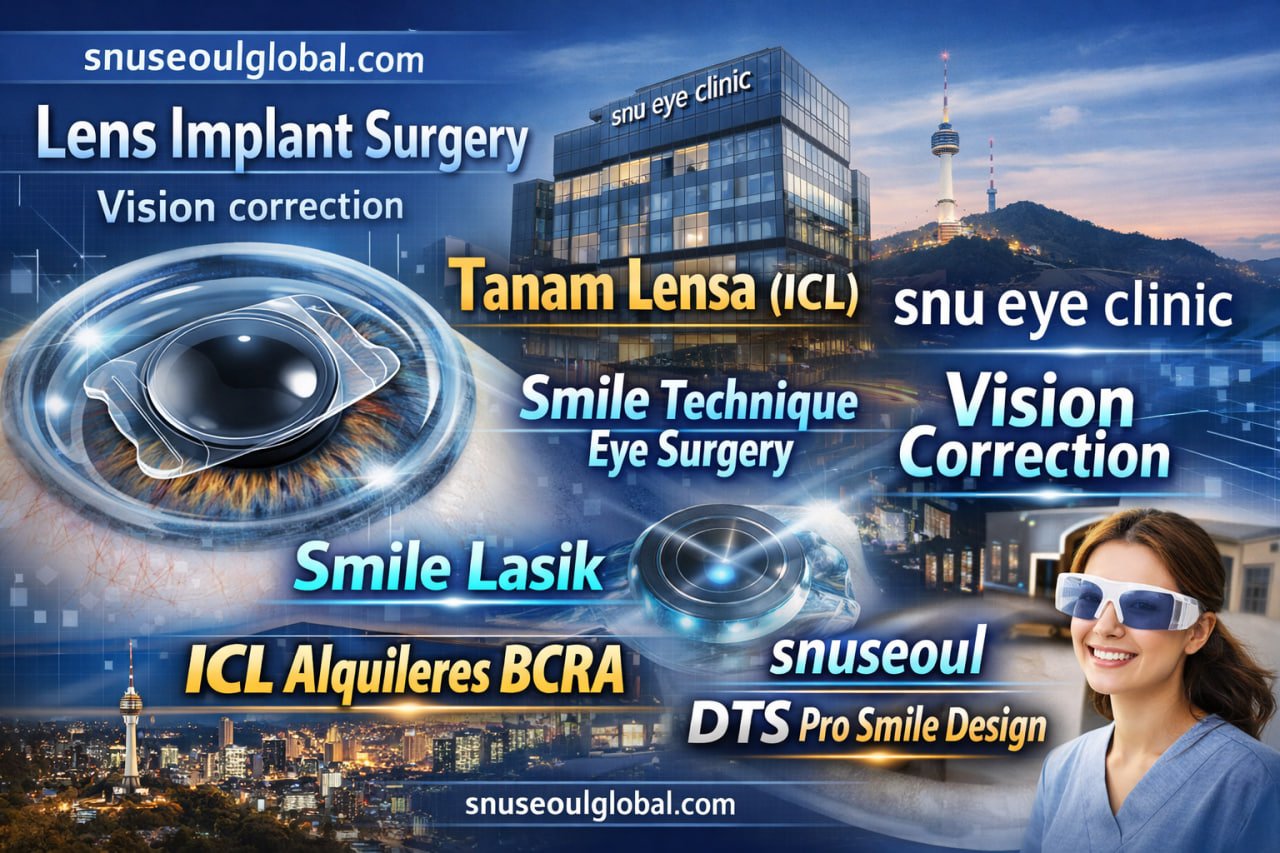
Among these modern treatments, Tanam Lensa ICL has gained significant attention. The procedure involves implanting a specialized lens inside the eye to correct refractive errors without altering the natural cornea. In Seoul, South Korea, SNU Eye Clinic has become known for offering advanced lens implantation procedures supported by icl biotech technology.
With Korea recognized as a leader in medical innovation, patients from around the globe travel to Seoul to receive treatments that combine advanced equipment with experienced surgeons. The clinic’s commitment to precision and research driven care has helped establish it as a trusted destination for vision correction.visit for more details รักษาต้อ.
Understanding Tanam Lensa ICL Technology
Tanam Lensa ICL refers to the implantation of an Implantable Collamer Lens, commonly known as ICL. This advanced technology works by placing a thin lens between the iris and the natural lens of the eye. The lens helps focus incoming light correctly onto the retina, allowing patients to see clearly without relying on glasses.
The materials used in ICL lenses are designed to be highly compatible with the human eye. Modern versions such as the Visian ICL V4C FDA approved model include a central port that allows natural fluid circulation, improving safety and comfort.
Many patients researching terms like Болорсолих or Имплантация линз discover that this technology is widely used for individuals with severe myopia who cannot undergo traditional laser procedures. Unlike LASIK or LASEK, which reshape the cornea, ICL implantation works internally without removing corneal tissue.
Why Patients Choose Lens Implantation Over Laser Surgery
Laser procedures such as 라식, 라섹, and Smile lasik remain popular methods of vision correction. However, these procedures require adequate corneal thickness and certain eye conditions to be effective. Patients with thin corneas or high refractive errors may not qualify for these treatments.
Lens Implantation provides an alternative solution for such cases. Because the natural lens remains intact, the implanted lens works alongside the eye’s existing optical system. This makes the procedure suitable for a wider range of patients.
Discussions in online forums about 라식 vs 라섹 디시 often highlight the differences between laser treatments. Meanwhile, patients considering advanced methods such as Смайл про or 全飞秒 laser correction may also explore ICL implantation as a potential option.
The versatility of ICL technology has made it increasingly popular among people researching international eye care solutions.
Global Interest in Advanced Eye Surgery in Seoul
South Korea’s reputation for technological excellence extends into the field of ophthalmology. International patients frequently travel to Seoul for treatments that combine advanced equipment with highly trained surgeons.
People searching online in multiple languages for treatments such as 视力矫正, ตรวจสายตา, or Koreksi Penglihatan often discover Korean clinics offering comprehensive eye care. These clinics provide services ranging from cataract surgery to refractive correction using both laser systems and lens implants.
For patients exploring international treatment options, information available through www.snuseoulglobal.com helps them understand procedures, consultation steps, and travel preparation before visiting Korea.
Medical tourism has grown significantly in recent years as patients seek specialized treatment centers with strong clinical reputations.
Procedure Process and Surgical Precision
The process of Tanam Lensa ICL begins with a detailed eye examination. Specialists evaluate corneal thickness, pupil size, and overall ocular health using advanced diagnostic systems. These assessments help determine whether the patient is an ideal candidate for ICL implantation.
During surgery, the ophthalmologist creates a tiny incision in the cornea through which the folded lens is inserted. Once inside the eye, the lens unfolds and is positioned behind the iris. The incision is so small that it often heals naturally without requiring stitches.
Patients often notice immediate improvement in vision after the procedure. While some individuals researching icl รีวิว or icl 経過 may wonder about recovery time, most patients resume normal activities within a few days.
Postoperative monitoring ensures that the lens remains correctly positioned and that the eye maintains healthy pressure levels.
Comparing ICL with Other Vision Correction Methods
Although ICL implantation offers many advantages, it is not the only method available for correcting vision. Laser procedures such as LASIK and SMILE remain widely used for mild to moderate refractive errors.
Patients researching treatments like lasik eye surgery texas or davis vision lasik often compare results with those of lens implantation. Each procedure has its own benefits depending on the patient’s eye structure.
Surface laser treatments such as Ласек or sst lasek may be recommended for patients with specific corneal conditions. Meanwhile, advanced systems like pro smile technology provide minimally invasive laser correction.
However, for individuals with high myopia or unsuitable corneal conditions, ICL remains one of the most effective options available.
The Future of Implantable Vision Correction
The development of implantable lenses continues to evolve as researchers explore new materials and surgical techniques. Innovations in icl biotech are improving lens design, optical clarity, and long term compatibility with the eye.
Future generations of ICL lenses may offer even greater customization, allowing surgeons to tailor treatments to each patient’s specific visual needs. Advanced imaging technologies will further improve surgical planning and outcomes.
As ophthalmology continues to progress, specialized centers like SNU Eye Clinic remain at the forefront of innovation. By combining research, technology, and patient focused care, the clinic continues to help individuals achieve clear vision and enhanced quality of life.